

Skip to content

Consultation

Skin needling.

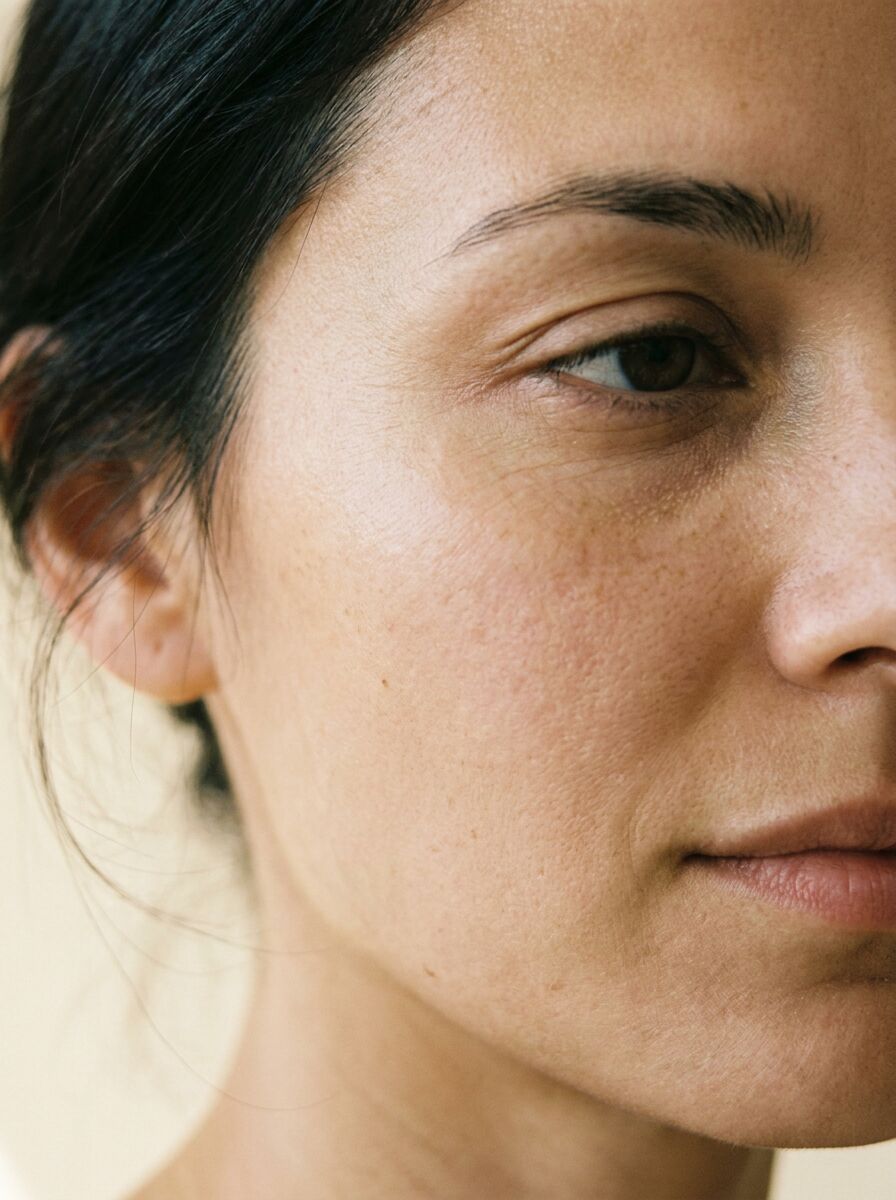
Improvement in skin texture, scarring, and pore appearance, with progressive refinement over time. The treatment uses controlled micro-injury to stimulate the skin's natural repair processes, including collagen and elastin production over subsequent weeks.

Enquire

What medical-grade skin needling actually does.

Skin needling, also called microneedling or collagen induction therapy, is a controlled, repeatable micro-injury treatment. Sterile single-use needles create fine channels through the upper layers of the skin. The body reads those channels as a wound and answers with new collagen synthesis, elastin remodelling, controlled inflammation and a measurable improvement in skin quality over the weeks that follow.

Lux Lab uses two medical-grade devices for this work: the Dr Pen Ultima A6 auto-microneedle system (ARTG 330372) for traditional microneedling, and the Combo Jector RF (ARTG 509131) for radiofrequency microneedling and combined treatments. Both are TGA-registered Class IIa medical devices, available only to registered health professionals, and operate at depths and frequencies that over-the-counter and home-roller devices physically cannot reach. That matters because depth is what drives the deeper collagen response that addresses acne scarring, real texture concerns, and fine lines, rather than just surface glow.

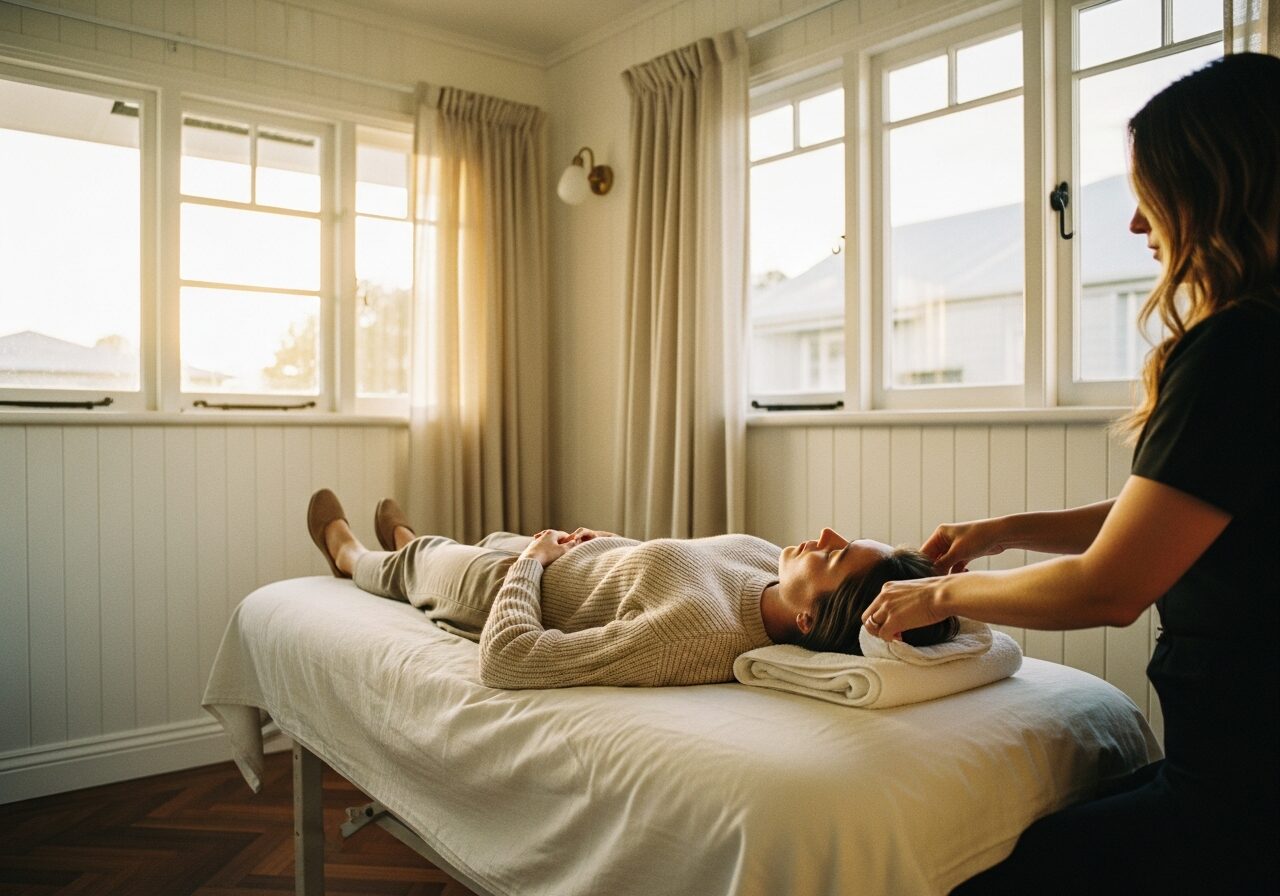
Skin needling is a TGA-approved treatment, not a prescription injectable, so there's no doctor or nurse-practitioner prescription requirement for the treatment itself. The consultation still comes first: skin needling isn't appropriate for every skin, every concern, or every season, and the right course depends on what Tara sees once she looks at your skin in detail.

By area.

  • Fine lines & texture

    (1)

  • Acne scarring

    (2)

  • Pore refinement

    (3)

  • Overall skin quality

    (4)

In detail.

An anatomical breakdown of each area, what causes the change, and how the treatment works there.

Fine lines & texture

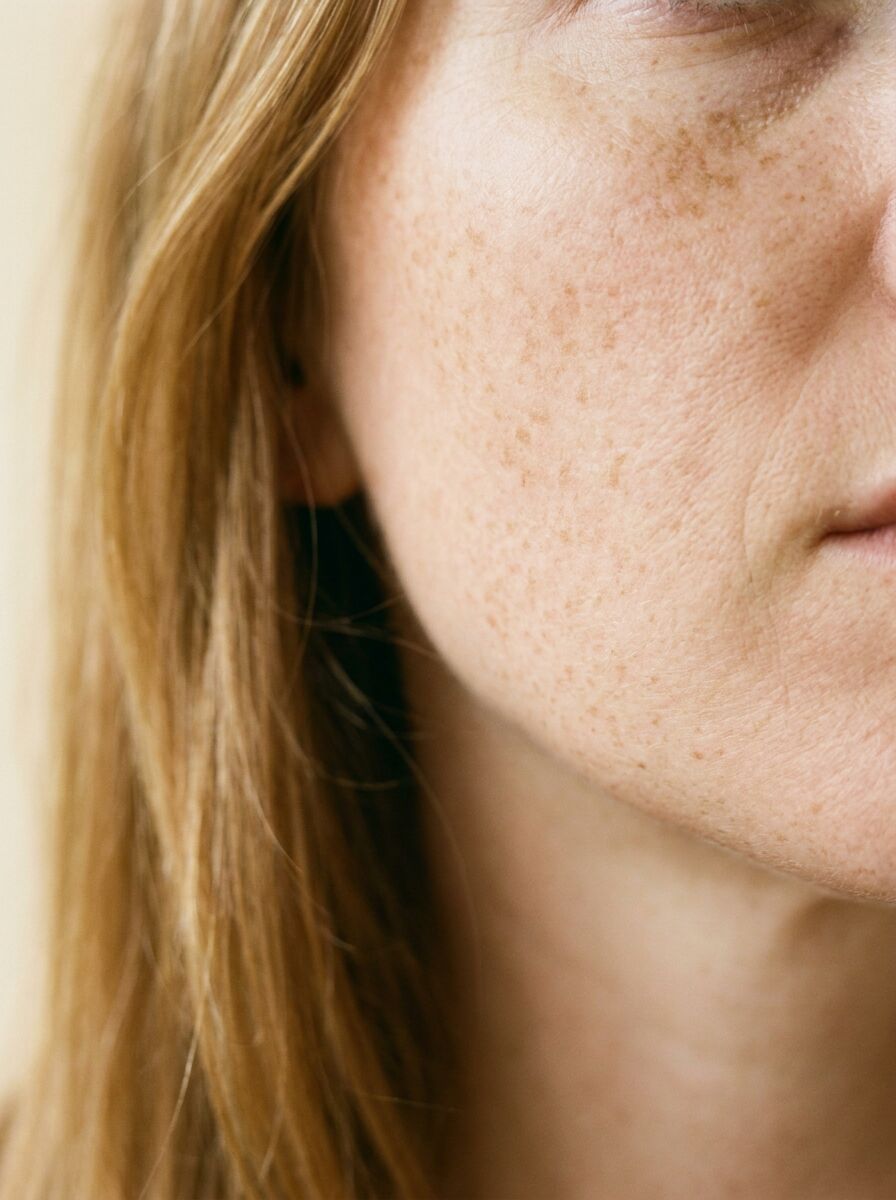
The fine lines that appear around the eyes, mouth and forehead in your thirties and forties are different from the deeper expression lines that muscle relaxants treat. These are surface etchings driven by the skin itself: the dermal layer thins, collagen turnover slows, the papillary dermis loses elasticity, and the soft creases that used to disappear when your face relaxed start to hold. They are particularly visible in side light, in low light, and on screen.

Skin needling addresses these lines at the layer where they form. The micro-channels created by the device sit just below the epidermis, in the papillary dermis, and trigger a controlled wound-healing response from the skin itself. The body answers with fresh collagen and elastin production over the weeks that follow, which gradually rebuilds the dermal scaffolding under the fine lines. The lines soften from underneath, not from a topical product working at the surface.

Most patients need a course of three to six sessions, spaced four to six weeks apart, for visible improvement in fine line texture. The first signs of change usually appear in the second week as the initial healing finishes, with the deeper collagen response building over twelve weeks per session. Skin needling for fine lines pairs well with bio-remodelling injectables (which support the dermis from inside) and is often a good starting point for patients who want to begin gently with surface texture concerns. Mild pinking and tightness in the days after treatment is expected; the skin must be protected from sun until fully healed.

Acne scarring

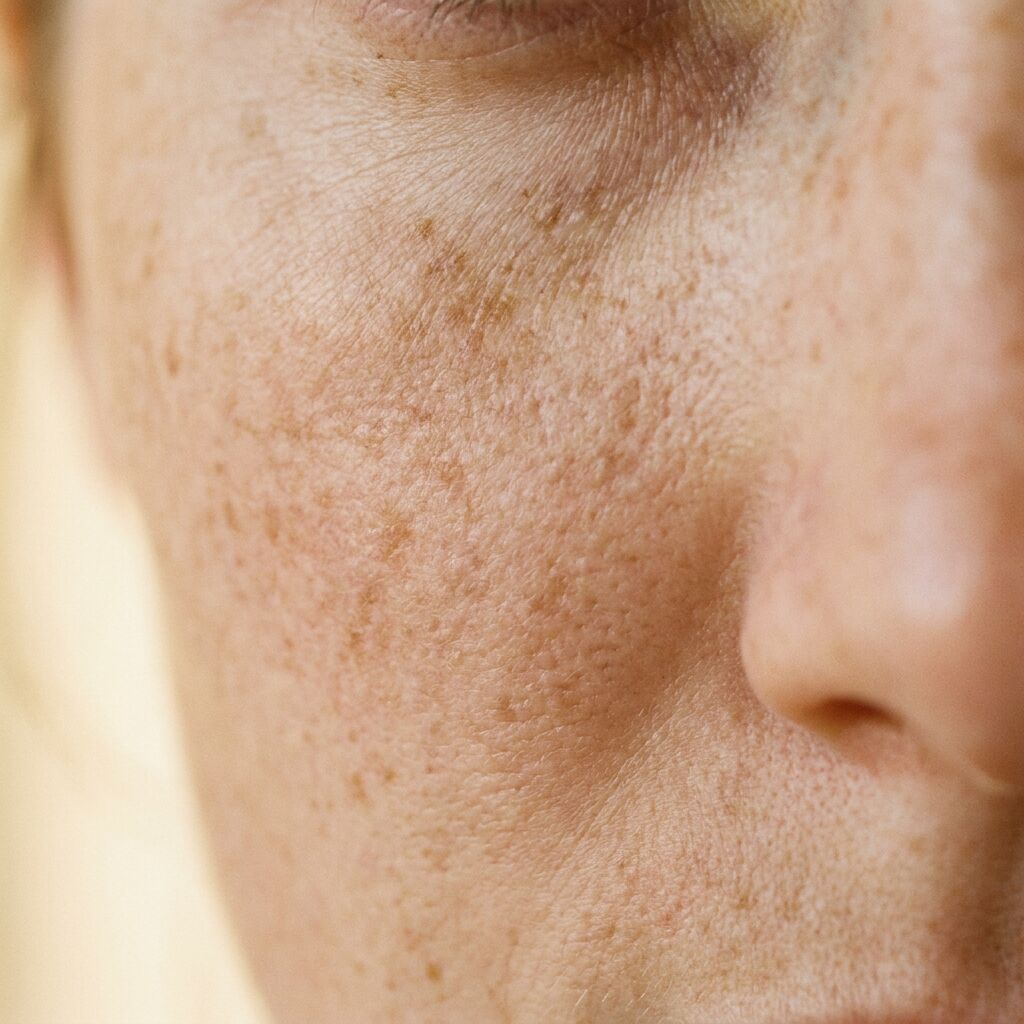
Acne scars fall into three main types. Ice-pick scars are deep, narrow tracks that look like the skin has been punctured by a fine point. Boxcar scars are wider, with sharper square edges, usually on the cheeks. Rolling scars are softer indentations across larger areas, often a result of years of inflammatory acne. All three are atrophic, meaning they are dips below the surface of the skin, caused by collagen loss during the acne healing process.

Skin needling treats atrophic acne scarring by triggering the same wound-healing cascade the skin originally failed to complete properly. The fine micro-channels reach the dermal floor of the scar and prompt the surrounding tissue to lay down new collagen, gradually filling the scar from beneath. The skin level rises toward the surrounding tissue rather than the scar staying as a permanent indentation. Microneedling for atrophic acne scarring is supported by published clinical evidence including a 2017 systematic review (Iriarte et al, Clinical, Cosmetic and Investigational Dermatology) showing significant improvement across ice-pick, boxcar, and rolling scar types after multiple sessions.

Tara is honest about realistic timelines here. Acne scar improvement is measured in months, not weeks, and a single session will only ever produce a small visible change. Most patients need a course of six to eight sessions over six to twelve months, with results compounding over the year. Ice-pick scars in particular respond more slowly than rolling scars. Photographs at the start and at each review are the only reliable way to measure progress, because the eye adjusts to the daily mirror. Skin needling is not appropriate during active acne breakouts in the treatment area, and treating active inflammation can worsen scarring; Tara screens for this at consultation.

Pore refinement

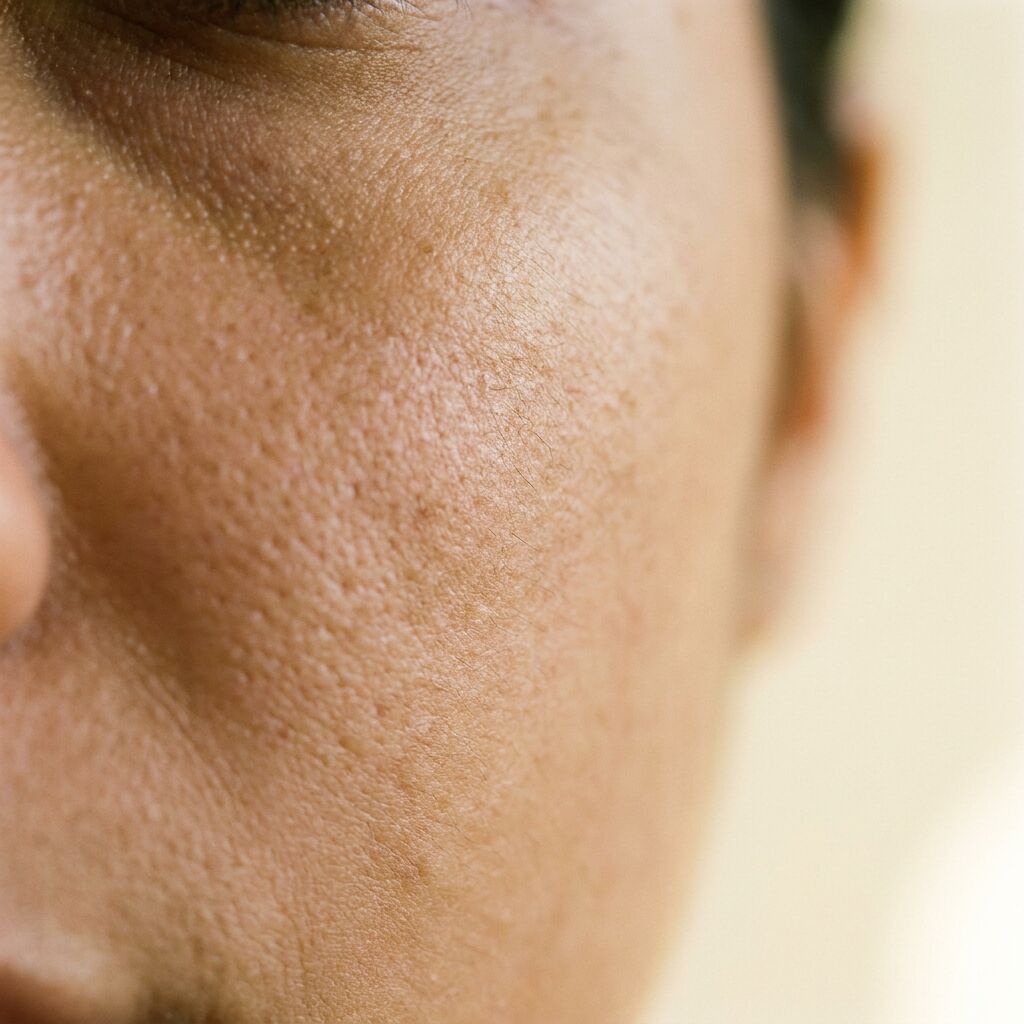
Pore size is partly genetic and partly a function of skin condition. The visible opening of the pore is shaped by the surrounding skin tone and elasticity. When the skin loses dermal support, the supporting walls around each pore lose their tension, and the opening reads larger at the surface. Sun damage, ageing, and high sebum activity all push pores in the same direction: larger, deeper-looking, and more visible.

Skin needling does not reduce pore size at the level of the individual pore. It works on the surrounding skin: the controlled wound-healing response strengthens the dermal scaffolding around each pore, which restores tension to the skin and reduces how prominent the pore reads at the surface. Pores look smaller because the surrounding skin looks better, not because the pore itself has changed.

Pore refinement is among the more consistent results patients report from a course of skin needling, because it is a function of overall skin quality, which is what the treatment supports most directly. Three to six sessions usually produce visible improvement, with maintenance every six months for patients who want to hold the result. Skin needling for pore refinement is best paired with a consistent home-care routine that includes regular gentle exfoliation and SPF, both of which compound the result rather than competing with it. Some patients see a temporary post-treatment flush of more visible pores as the skin tightens, which settles in the days after.

Overall skin quality

Overall skin quality is what most people are actually describing when they say they want their skin to look better. It is the combination of dermal thickness, even tone, surface smoothness, light reflection, and resilience. None of these are single concerns that respond to a single product. They are the cumulative result of how well the dermal layer is functioning at any given moment.

A course of skin needling improves skin quality at the underlying level. The micro-channels prompt fibroblast activity across the treated area, and the body responds by laying down new collagen, remodelling elastin, and improving the connective tissue between cells. The visible change is gradual and difficult to attribute to any single session. Photographs taken six months apart often show the change more clearly than the day-to-day mirror does.

This is the area of skin needling where the cumulative effect is most pronounced. A single session will give a brief glow and minor surface improvement. A full course of six sessions, with maintenance every six to twelve months, produces the kind of skin quality change that compounds for years. Tara often combines skin needling with bio-remodelling for patients whose primary goal is skin quality rather than a specific concern, because the two treatments work on different layers of the same dermal system. Skin needling is not safe during pregnancy, with certain active skin infections, or for patients with some autoimmune conditions; Tara screens for all of this at consultation.

What to expect.

Common questions.

  • Do I need a consultation before treatment?

    Yes, and the consultation is free. Skin needling is generally well-tolerated but it is not right for every skin or every concern. Tara needs to see your skin in person before booking a treatment session.

  • What does skin needling actually do?

    It creates controlled micro-channels in the skin that trigger a wound-healing response. The body responds by producing new collagen and elastin and remodelling the existing structure of the skin, which firms, smooths, and strengthens it over weeks to months. It is a regenerative treatment, not a resurfacing one.

  • Is skin needling painful?

    Most clients describe it as mildly uncomfortable but very tolerable. Topical numbing cream is applied for around 20 minutes before treatment, which reduces sensation significantly. Some areas (above the lip, the forehead near the hairline) feel more intense than others.

  • How much downtime should I expect?

    Most clients are visibly pink for 24 to 48 hours, similar to a moderate sunburn. Light flaking can follow over days three to five. You can wear mineral makeup from day two if you need to. Heavier makeup, sweating, hot showers, saunas and direct sun should be avoided for the first 48 hours.

  • How many sessions will I need?

    Most concerns benefit from a course of three to six sessions, spaced four to six weeks apart. Tara is honest about what is realistic for your skin, single sessions help, but cumulative work is what builds the visible change, especially for scarring.

  • Can skin needling treat acne scars?

    Yes. Skin needling is supported by clinical evidence as an effective treatment for atrophic acne scarring (the indented ice-pick, boxcar and rolling scar patterns), encouraging new collagen to remodel and smooth the skin surface. Multiple sessions over several months are typically required, and the response varies by scar type and skin condition.

  • Is skin needling safe for darker skin tones?

    Yes. Skin needling is generally well-tolerated across skin types, much better than many laser treatments in this regard, but the protocol changes (depth, frequency, and pre/post care) to reduce the risk of post-inflammatory pigmentation. Tara walks through this in your consultation.

  • Is there anyone who should not have skin needling?

    Skin needling is not appropriate for active acne breakouts in the treatment area, active skin infections, certain rosacea flares, or some medical conditions (including some autoimmune conditions and during pregnancy). Tara screens for all of this at the consultation.

  • How do I prepare?

    Stop active skincare ingredients (retinol, AHAs, BHAs, vitamin C) for three to five days before treatment. Avoid sun exposure and self-tan in the week leading up. Come with a clean face. If you wear makeup, plan to remove it for the appointment.

  • When will I see results?

    First signs, surface glow, softer texture, usually show in the second week as initial healing finishes. The deeper change (collagen remodelling for scarring and texture) is built over twelve weeks per session and continues to mature beyond that. Photos at the start and at the end of a course are how we track real change.

  • How does skin needling compare to laser?

    Both treatments trigger a wound-healing response in the skin. Skin needling is mechanical and works at a controlled depth; laser is thermal and works through energy. Needling tends to be better tolerated by darker skin tones and is often the starting point for patients who want to begin gently with texture and scarring concerns. Laser may be more appropriate for some pigmentation and resurfacing goals. Tara discusses which treatment is right for your skin at the consultation.

  • What is the best treatment for atrophic acne scars?

    The most evidence-supported in-clinic treatments for atrophic acne scarring include skin needling, fractional laser, and (in some cases) subcision. The right approach depends on the scar type, scar age, skin type, and downtime appetite. Tara assesses scar pattern and skin in person before recommending a course.

  • How much does skin needling cost in Tweed Heads?

    Single session $299. Course pack: 4 sessions for the price of 3, $897 total, which is the better-value option for most concerns where cumulative work is what builds the result. Tara confirms the right session count and frequency at the consultation.

  • Can skin needling cause more breakouts?

    Mild post-treatment purging is uncommon but possible, particularly in patients with congested skin. Skin needling should not be performed during active acne breakouts in the treatment area. Tara screens for this at consultation.

  • Is the consultation free?

    Yes. Lux Lab offers a free consultation for all clients. You are provided with a treatment plan, cost estimate and no obligation to proceed.

Considered consultations, by appointment.

Enquire