

Skip to content

Consultation

Bio-remodelling.

An injectable skin treatment, not a volumiser. Bioremodelling injectables deliver highly concentrated hyaluronic acid (HA), hydrating the skin immediately and supporting overall skin quality.

Enquire

What bioremodellers are, and where they sit between volumisers, biostimulators and softeners.

Skin bioremodelling injectables are a category of cosmetic injectable designed to improve skin quality rather than restore volume. Where volumisers restore volume in a single defined area, bioremodelling spreads through the dermal layer itself to support hydration, elasticity, and collagen production across a wider surface.

Bioremodeller treatments are injectable therapies designed primarily to improve skin quality, hydration, and tissue integrity rather than create volume or contour. It is delivered at a small number of precisely placed points across the treatment area; from those points the product disperses through the dermal layer over the following days. Most courses are two sessions four weeks apart, then a maintenance treatment every six to nine months.

Bio-remodelling injectables are prescription-only medical products. Every Lux Lab injectable treatment is preceded by a consultation, patient consent and prescription from a doctor or nurse practitioner, issued before any treatment.

By area.

  • Face

    (1)

  • Neck

    (2)

  • Décolletage

    (3)

  • Hands

    (4)

In detail.

An anatomical breakdown of each area, what causes the change, and how the treatment works there.

Face

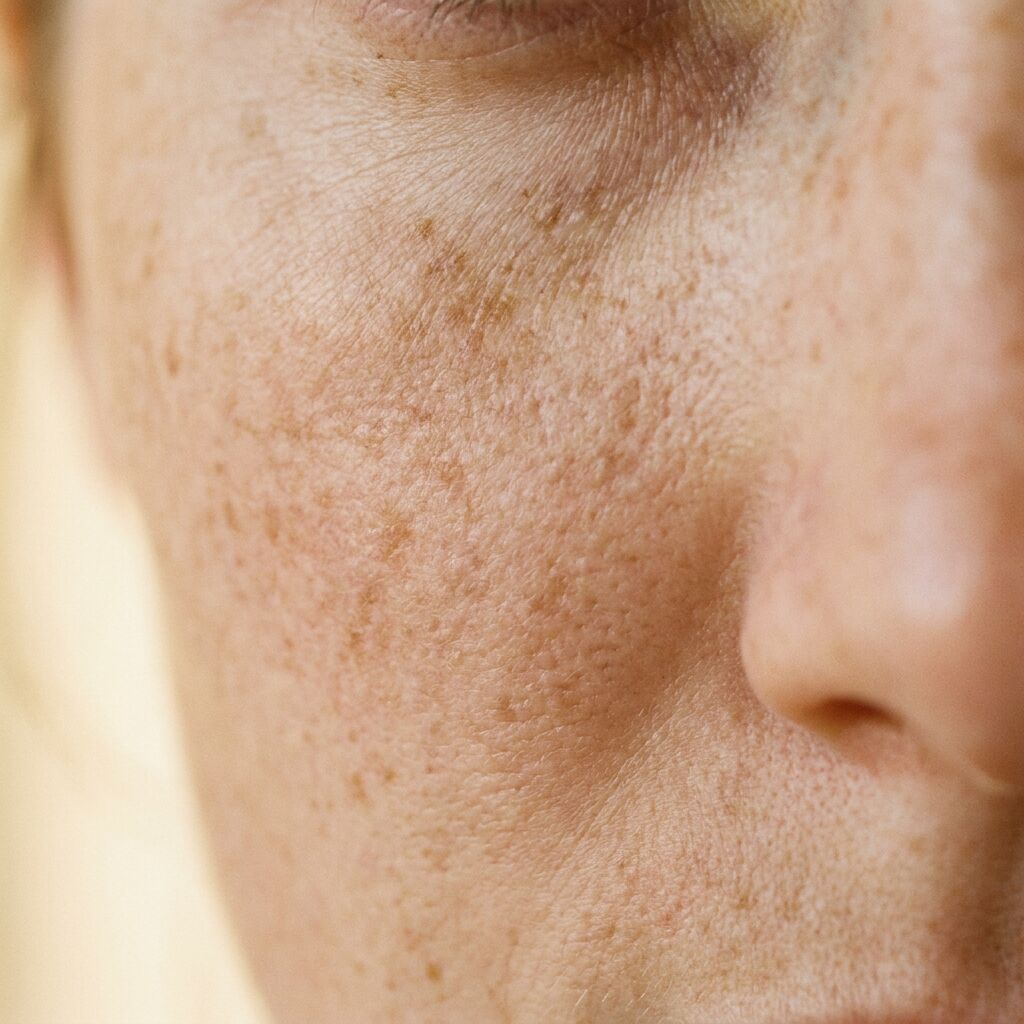
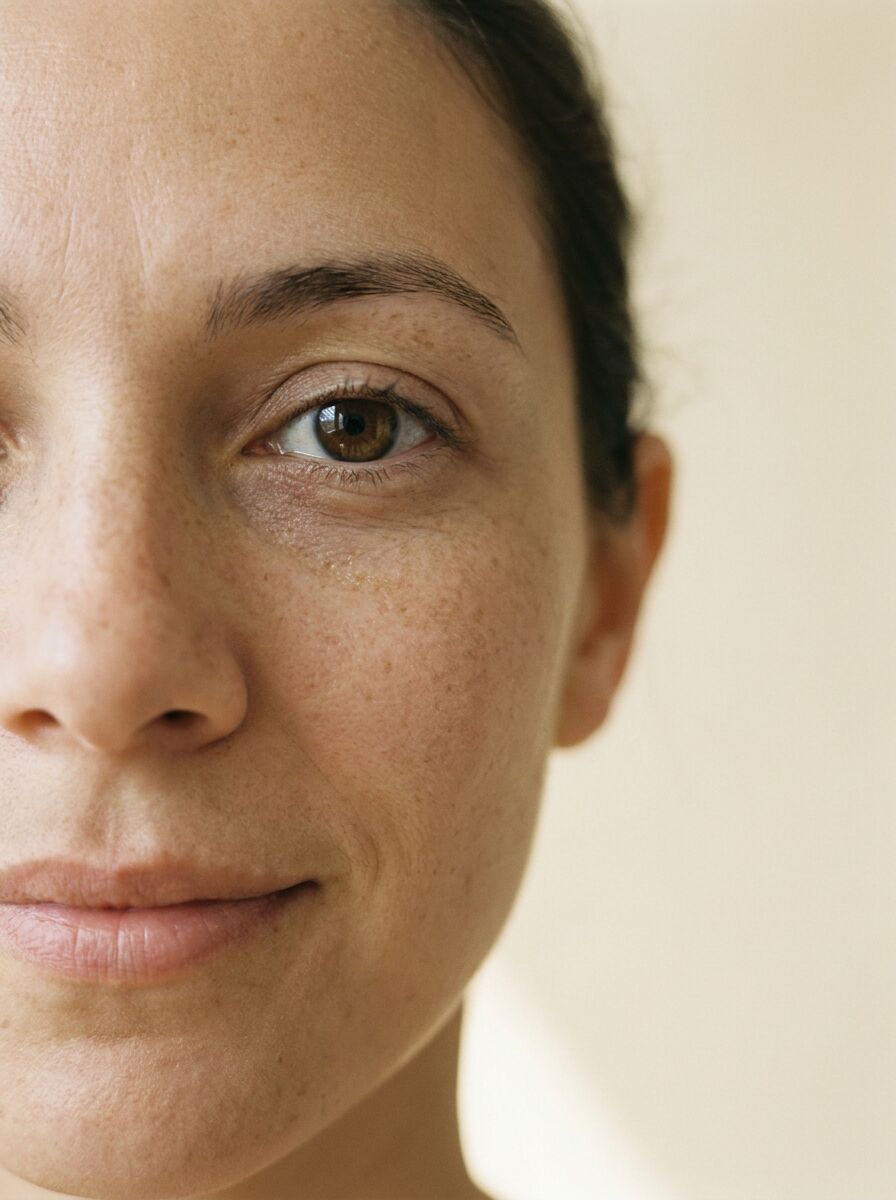
The face is the area where bioremodelling is most often misunderstood. It is not a volumiser treatment. It does not change the shape of the face. The treatment uses a prescribed product placed in a small number of precise points across the treatment area. The product helps improve skin hydration by attracting water molecules and is thought to support collagen and elastin production through stimulation of fibroblast activity.

On the face this produces a measurable change in skin quality over six to eight weeks. The skin reads as more hydrated, more elastic, and slightly more reflective in light. The visible signs of dermal thinning, the soft crepiness around the eye, the lower-cheek dehydration, the dullness that no skincare seems to fix, all start to soften because the underlying dermal layer is being supported from within.

Bio-remodelling on the face is delivered as a course of two sessions four weeks apart. The full effect is reviewed eight to twelve weeks after the second session. Most patients book maintenance every six to nine months. Bio-remodelling pairs particularly well with skin needling and with considered softener work, because each treats a different layer of the same ageing system: dermis, surface, and muscle activity. Small raised marks at the injection points are normal for the first 24 to 48 hours, and bruising is possible but uncommon.


Neck

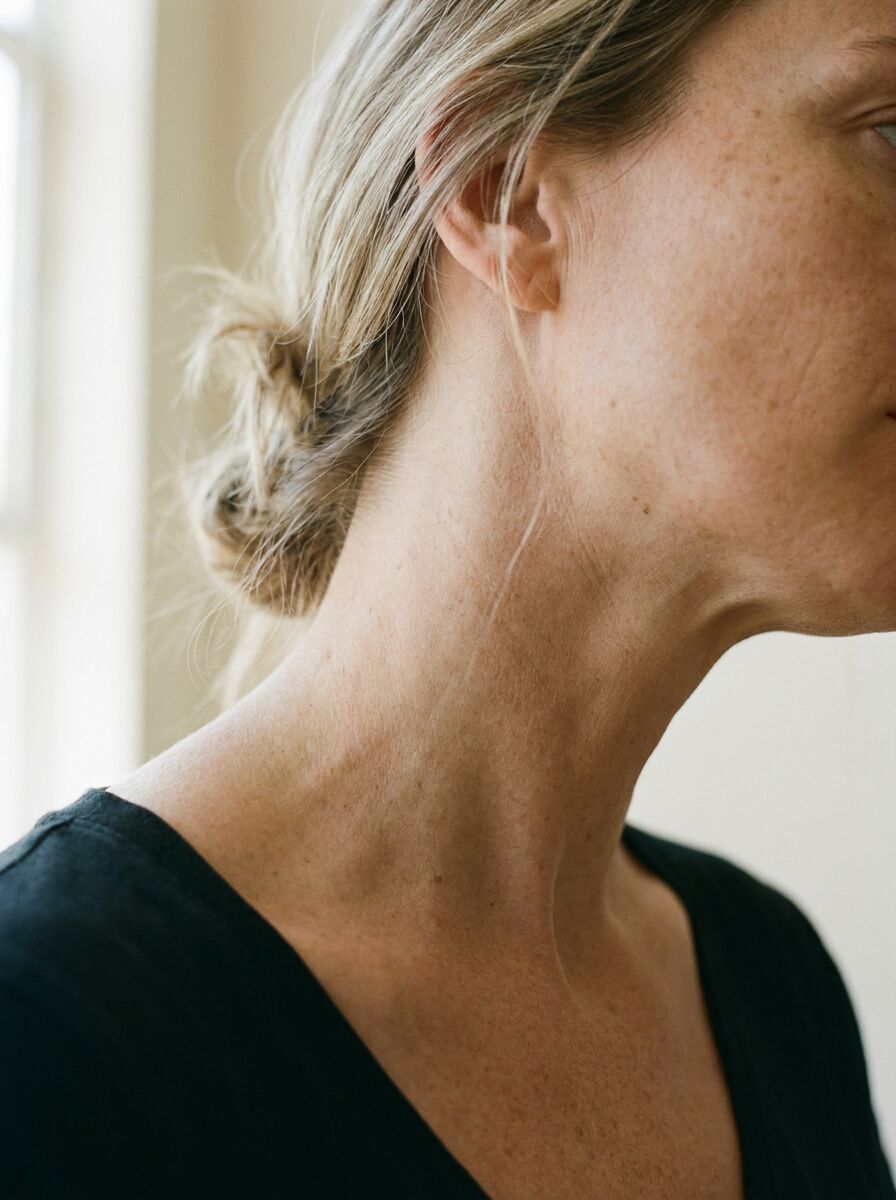
The neck skin is structurally different from the face. It is thinner, has less subcutaneous support, and often exposed to significant sun exposure and repetitive movement. With age, horizontal neck lines may become more visible, while the vertically oriented platysma muscle can also become more prominent, contributing to vertical banding in the neck.

Bio-remodelling on the neck delivers the prescribed product into the dermal layer across a wide surface. It disperses through the skin from a small number of injection points, supporting hydration and prompting new collagen production across the area. This is one of the few in-clinic treatments that addresses the structural cause of neck ageing rather than only the visible surface. The neck reads as more supported, with reduced visible banding and improved overall skin quality.

The neck is also one of the slower areas to respond. Two sessions four weeks apart is the standard starter course, with a third session sometimes recommended depending on the starting condition of the skin. Full effect is reviewed three months after the second session. Bio-remodelling on the neck is best combined with consistent home care including SPF, because UV exposure continues to drive the underlying damage that the treatment is trying to support. Some patients need a third session in the initial course to see the result they want.

Décolletage

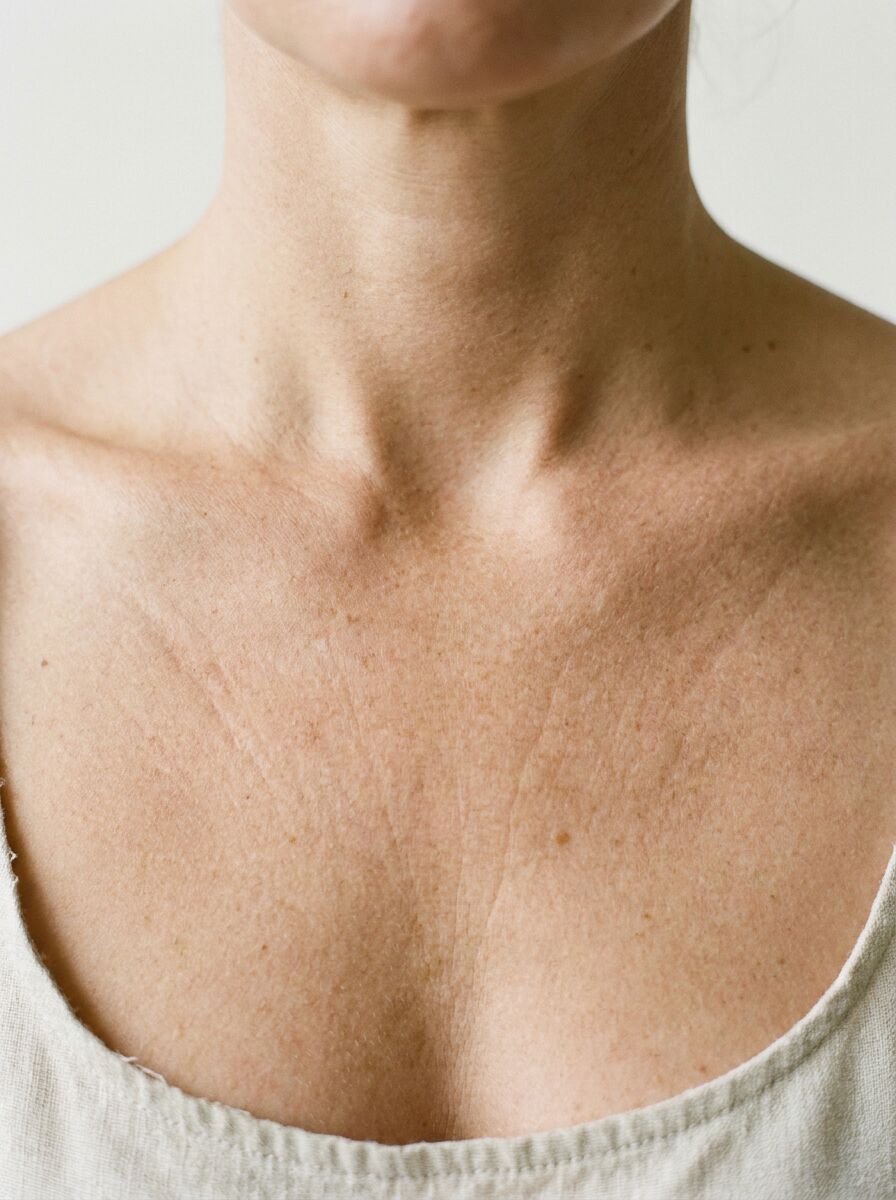
The décolletage is an area where signs of skin ageing and environmental exposure can become particularly noticeable over time. The skin in this region is thinner than many areas of the face, is frequently exposed to sunlight, and is often overlooked in daily skincare routines, which can contribute to visible changes in skin texture, pigmentation, and elasticity.

Bio-remodelling on the décolletage is one of the more responsive applications of the treatment. The prescribed product disperses through the thin dermal layer easily, supporting hydration across a large surface area while prompting collagen production over the months that follow. The visible improvement reads as smoother surface, reduced crepiness, and a more even tone overall.

Like the neck, the décolletage is a slow-response area. Two sessions four weeks apart with full review at three months is the standard course. Most patients see meaningful improvement after the first course, with maintenance every six to nine months to hold the gain. Continued sun exposure undoes the dermal support the treatment is building, so result is meaningfully reduced in patients who do not use SPF on the chest.

Hands

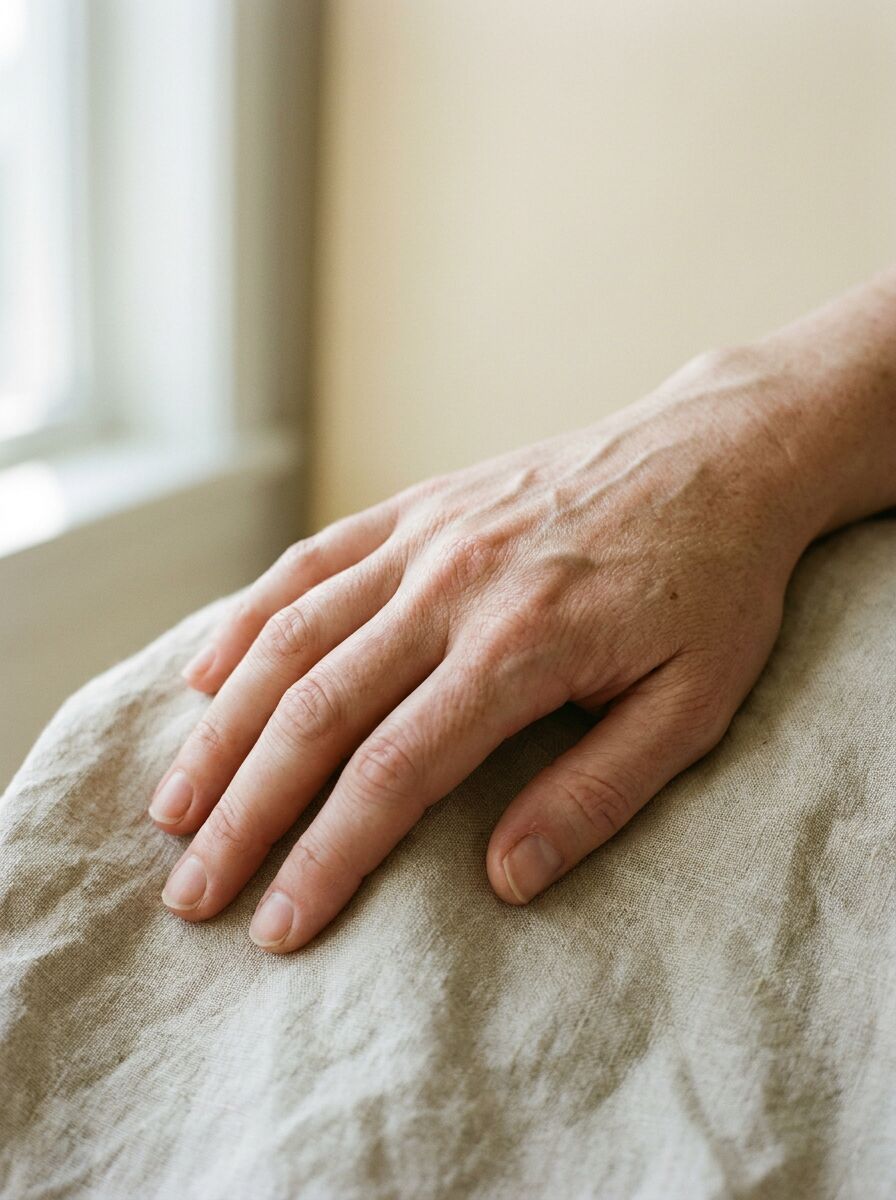
The hands are often the first part of the body to give away age, and many people are surprised to learn how early the change starts. The skin on the back of the hand is thin, has minimal fat layer between the skin and the underlying tendons and veins, and is exposed daily to sun, water, soap, and friction. As the dermal scaffolding thins, the tendons and veins start to become more visible at the surface, the skin becomes drier and more papery, and pigmentation from accumulated sun damage compounds the overall look.

Bio-remodelling on the hands is delivered as small injection points across the back of each hand. The product disperses through the dermal layer in the same way it does on the face, supporting hydration and prompting new collagen across the area. The aim is to restore some of the dermal thickness that has been lost, which reduces the visibility of the underlying tendons and improves the overall surface quality of the skin.

Hands respond to bio-remodelling well, with most patients seeing visible improvement after two sessions four weeks apart. The full effect is reviewed three months after the second session, with maintenance every six to nine months. Hand treatment is one of the smaller pieces of the bio-remodelling family, but it is often the one patients comment on most, because the change reads strongly in photographs. Bruising and small bumps at injection points are common in the first 48 hours and resolve on their own.

What to expect.

Common questions.

  • How is bio-remodelling different from a volumiser?

    A volumiser is a localised volume treatment, it goes in one area to restore shape. Bio-remodelling spreads through the skin layer itself to support hydration, elasticity, and collagen production over a wider surface. The aim is skin quality, not face shape.

  • How long does a session take?

    Around 30 minutes for the work itself, plus consultation time on the first visit. Most clients return to their day after.

  • How many sessions will I need?

    A starter course is typically two sessions, four weeks apart. Tara reviews the result at eight to twelve weeks after the second session and decides on maintenance from there, usually every six to nine months for clients who continue.

  • Will I receive treatment on the same day as my first consultation?

    Yes. All new patients require a consultation before prescription cosmetic injectable treatments can proceed. In many cases, treatment can be performed on the same day once you have been appropriately assessed and a prescription has been issued by the Doctor or Nurse Practitioner.

  • Is the consultation free?

    Yes. Lux Lab offers a free consultation for all clients. You are provided with a treatment plan, cost estimate and no obligation to proceed.

  • Is there downtime?

    Small raised marks at the injection points are normal for the first 24 to 48 hours and settle on their own. Most clients are fully presentable by the next morning. Mild bruising is possible but uncommon.

  • When will I see results?

    The full effect builds gradually and is typically reviewed at eight to twelve weeks after the second session. Bio-remodelling is a slow treatment by design. Most people first notice the change in photographs they compare side-by-side, rather than in the mirror day to day.

  • Can I combine bio-remodelling with other treatments?

    Yes. Bio-remodelling pairs well with skin needling, softeners, or volumiser work, but the order and spacing matters, and Tara will plan the sequence at the consultation rather than booking everything for one day.

  • Will the results look natural?

    Always. The change bio-remodelling produces is at the skin-quality level, better hydration, better elasticity, a slight glow. It does not change facial shape, so there's no risk of looking 'done.'

  • How is bio-remodelling different from biostimulators?

    Biostimulators add structural support in a specific area (cheek, jawline, temple). Bio-remodelling improves skin quality across a wider surface (face, neck, décolletage, hands). Different products, different problems, often complementary.

  • Does bio-remodelling tighten loose skin?

    Bio-remodelling supports the dermal scaffolding of the skin, which can read as firmer and more elastic over the months following treatment. It is not a tightening treatment in the way a surgical procedure or energy-based device is. Tara is honest about candidacy at consultation.

  • Is bio-remodelling safe during pregnancy or breastfeeding?

    No. As with other prescribed cosmetic injectables, bio-remodelling is not performed during pregnancy or breastfeeding. Tara screens for this at every consultation.

  • What does bio-remodelling cost?

    Cost depends on the area treated and the number of sessions in your starter course. Tara discusses pricing in detail at the consultation, with no obligation to proceed.

  • Is Lux Lab supervised by a doctor?

    Yes. Every cosmetic injectable treatment includes a doctor or nurse-practitioner consultation and prescription, issued prior to any treatment.

Considered consultations, by appointment.

Enquire